Compare Seoul cafe neighborhoods in Yeonnam, Seongsu, Garosu-gil, and Ikseon-dong with subway access, route ideas, and practical planning tips.

Photo: Korea Tourism Organization Lee Beom-su

Photo: IR Studio / Korea Tourism Organization Photo Gallery
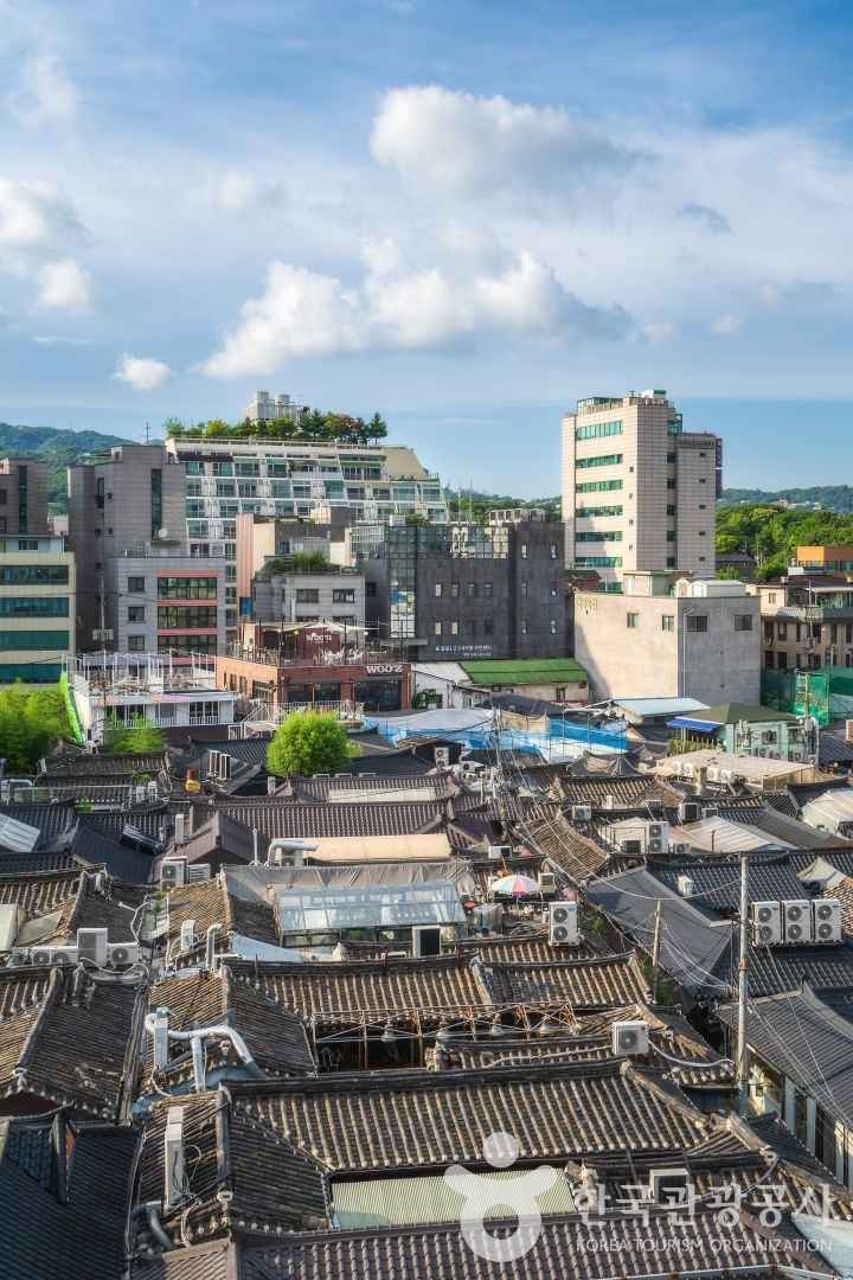
Photo: Jeong Gyu-jin / Korea Tourism Organization Photo Gallery
Four Seoul cafe areas can look equally tempting on a map, but they create very different days. Yeonnam-dong is best for a relaxed walk, Seongsu-dong works for design and shopping, Garosu-gil suits a polished afternoon, and Ikseon-dong pairs coffee with traditional architecture. Choosing one area that matches your pace is usually better than crossing the city to collect cafe names.
Choose a Seoul cafe neighborhood by mood
- Yeonnam-dong (연남동): park paths, side streets, and an easygoing afternoon near Hongdae.
- Seongsu-dong (성수동): converted industrial spaces, fashion shops, pop-ups, and Seoul Forest.
- Garosu-gil (가로수길): a more polished streetscape near Sinsa and Apgujeong.
- Ikseon-dong (익선동): compact hanok lanes that combine cafes with central Seoul sightseeing.
A practical planning allowance is about 6,000-10,000 KRW for one drink at many independent cafes, with specialty desserts often costing as much as the drink. This is a trip budget, not a quoted menu price. Check the current menu before ordering, especially at pop-ups and limited-time collaborations.
Yeonnam-dong: the easiest area for a slow cafe walk
Start at Hongik University Station, which connects Subway Line 2, the Airport Railroad, and the Gyeongui-Jungang Line. The Gyeongui Line Forest Park begins near the station and gives the neighborhood a clear walking spine. The busier cafes sit close to the park, while quieter choices are usually a few blocks deeper into the residential streets.
Yeonnam works well when you want coffee to be part of the day rather than the entire schedule. Walk the park, choose one cafe after seeing the room and menu, then continue toward Hongdae or Mangwon. A two-stop cafe budget of roughly 20,000-35,000 KRW per person leaves room for a drink, a shared dessert, and price differences between shops.
Best pairing: Yeonnam-dong with Hongdae, Mangwon Market, or an evening performance nearby. Avoid adding Seongsu on the same half-day; the cross-city transfer takes away the relaxed pace that makes Yeonnam enjoyable.
Seongsu-dong: design, pop-ups, and Seoul Forest
Use Seongsu Station on Subway Line 2 for the warehouse streets, or Seoul Forest Station on the Suin-Bundang Line when the park is your first stop. These stations serve different sides of a broad neighborhood, so deciding what you want to see before choosing a station can save a long walk.
Seongsu changes quickly. A venue featured in an old social post may have moved, closed, or become a temporary brand event. Use Naver Map or Kakao Map on the day of your visit to confirm opening hours and recent reviews. If a pop-up is essential, check whether it requires a reservation or timed entry before building the rest of the route.
A comfortable Seongsu plan is Seoul Forest, one main cafe, and a focused shopping loop. Trying to enter every photogenic space creates more waiting than exploring. Keep at least 45-60 minutes for the cafe you care about most and one backup within walking distance.
Garosu-gil: a polished afternoon near Sinsa
Sinsa Station serves Subway Line 3 and the Shinbundang Line. From there, Garosu-gil is straightforward to reach on foot. The main street is easy to understand, but the smaller side roads are often more useful for finding cafes without the heaviest pedestrian traffic.
This area fits travelers who want to combine coffee with fashion, beauty, galleries, or a walk toward Dosan Park and Apgujeong. It is less suited to a checklist of famous cafe interiors because tenants and concepts change. Choose the neighborhood for the overall afternoon, then pick the cafe from current information.
For planning, allow around 10,000-20,000 KRW for a drink and dessert combination, while treating that range as flexible. Menus, minimum orders, and seasonal items vary. If outdoor seating matters, confirm it from recent photos rather than assuming it is available year-round.
Ikseon-dong: hanok lanes in central Seoul
Jongno 3-ga Station connects Subway Lines 1, 3, and 5, making Ikseon-dong the easiest of these four areas to combine with central Seoul sightseeing. The lanes are compact and visually distinctive, but they can feel crowded during peak afternoon and weekend periods.
Arrive earlier in the day when you want calmer photos and easier seating. Then continue toward Insadong, Jongmyo Shrine, or Cheonggyecheon instead of crossing to another cafe district. The value of Ikseon-dong is the combination of architecture, alleys, tea, and coffee, not simply the number of venues visited.
Traditional-looking interiors do not guarantee traditional menus, and a hanok setting does not automatically mean step-free access. Travelers with mobility needs should check entrance photos and contact the venue directly when access is important.
A route that does not waste your day
Do not try to cover all four neighborhoods in one day. Pick one cafe district and one nearby anchor area:
- West Seoul: Yeonnam-dong, Hongdae, and Mangwon.
- East Seoul: Seoul Forest, Seongsu-dong, and Ttukseom.
- South Seoul: Garosu-gil, Dosan Park, and Apgujeong.
- Central Seoul: Ikseon-dong, Insadong, Jongmyo, and Cheonggyecheon.
Most cafes are not breakfast stops, so verify same-day opening hours before making one the first appointment of your morning. Save the Korean neighborhood name in your map app, keep one nearby alternative, and leave room for a line at the place you most want to visit.
If you want the neighborhoods arranged around your hotel and travel dates, use the CocoTrip Korea itinerary planner. Travelers who prefer a guided day can also review CocoTrip tour options before deciding how much to plan independently.
FAQ
Which Seoul cafe neighborhood is best for a first visit?
Yeonnam-dong is the easiest choice for a relaxed walk, while Ikseon-dong fits better when your itinerary already includes central historic sights. Seongsu is strongest for design and shopping, and Garosu-gil works well with Apgujeong or Dosan Park.
Can I visit Seongsu and Yeonnam on the same day?
You can, but they sit on different sides of Seoul. The transfer is reasonable for a full day with a clear purpose, but it is inefficient for casual cafe hopping. Pairing each neighborhood with nearby sights usually creates a better route.
How much should I budget for cafe hopping in Seoul?
For planning, 20,000-40,000 KRW per person can cover two drinks and a shared dessert in many situations. Premium menus and limited collaborations can cost more, so treat this as a flexible allowance and check current menus.
Are vegan milk or allergy-friendly desserts easy to find?
Some cafes offer plant-based milk or clearly labeled ingredients, but availability changes by venue and menu. Ask staff directly and do not rely on an old review when an allergy or dietary restriction affects your safety.
For more practical Korea planning ideas, browse the CocoTrip Korea travel guides.
Comments
Post a Comment